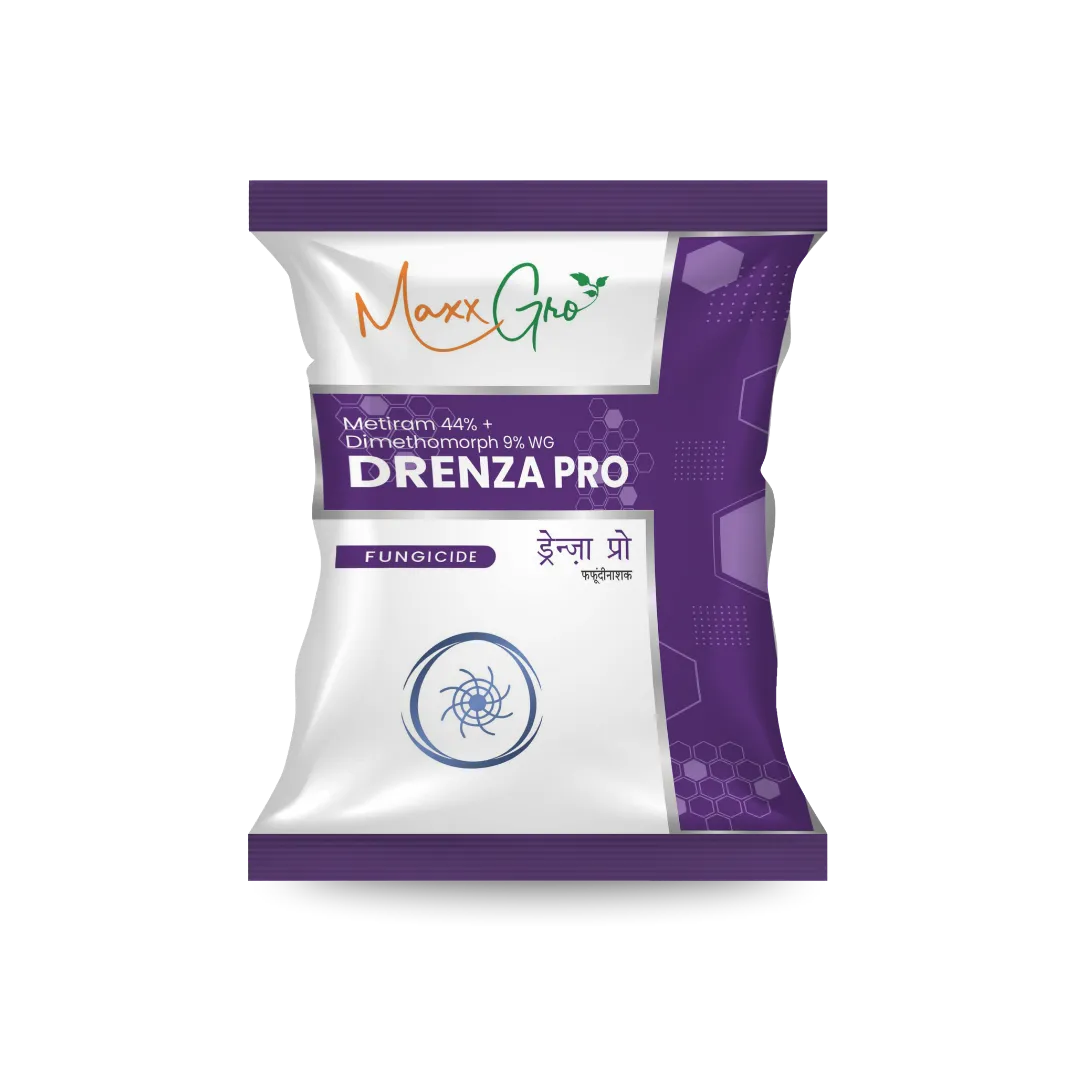
Drenza Pro
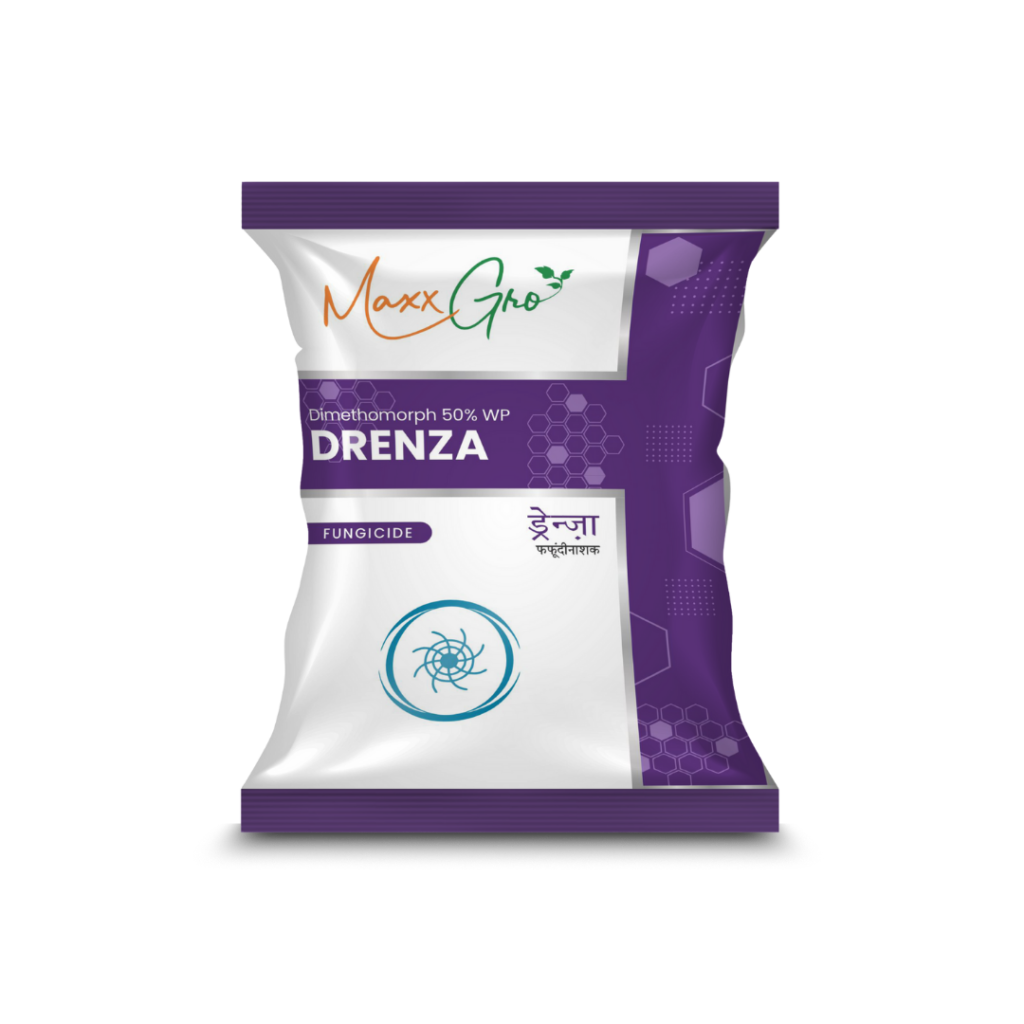
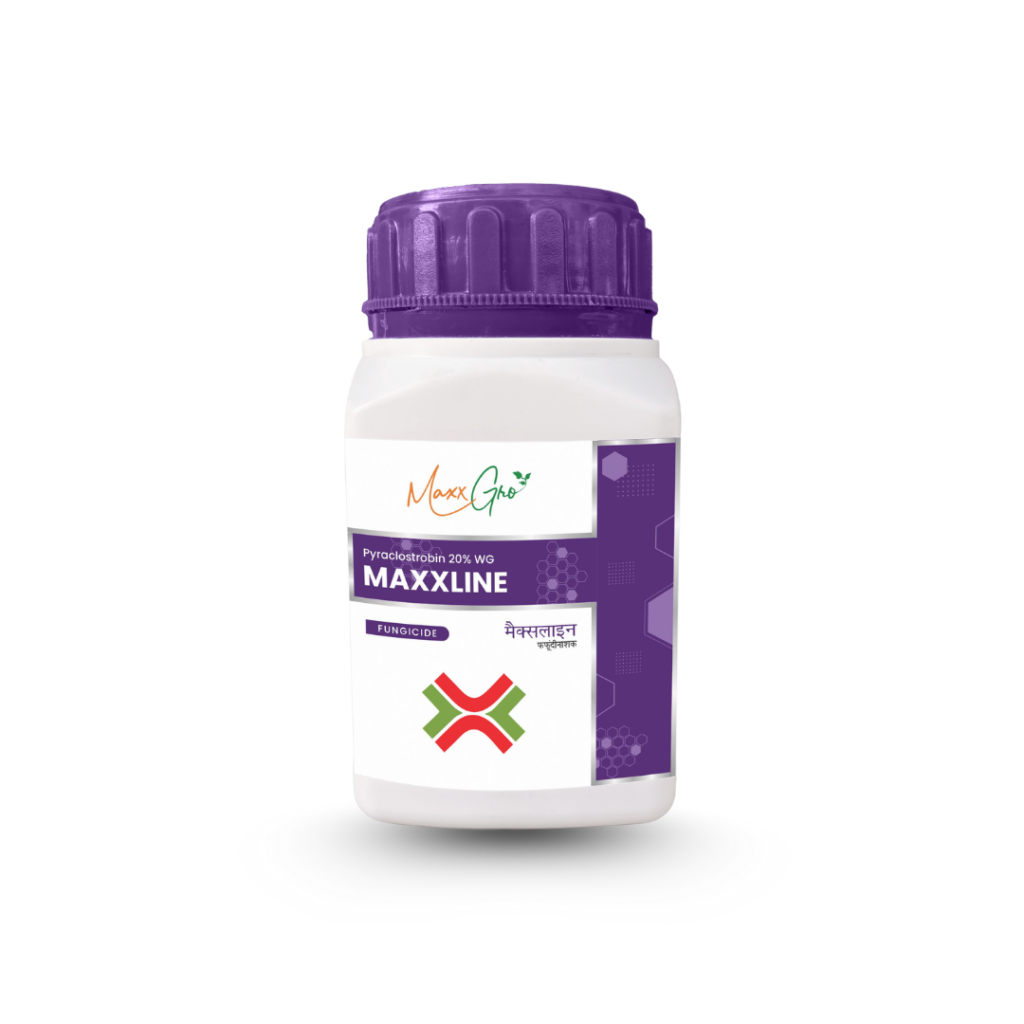
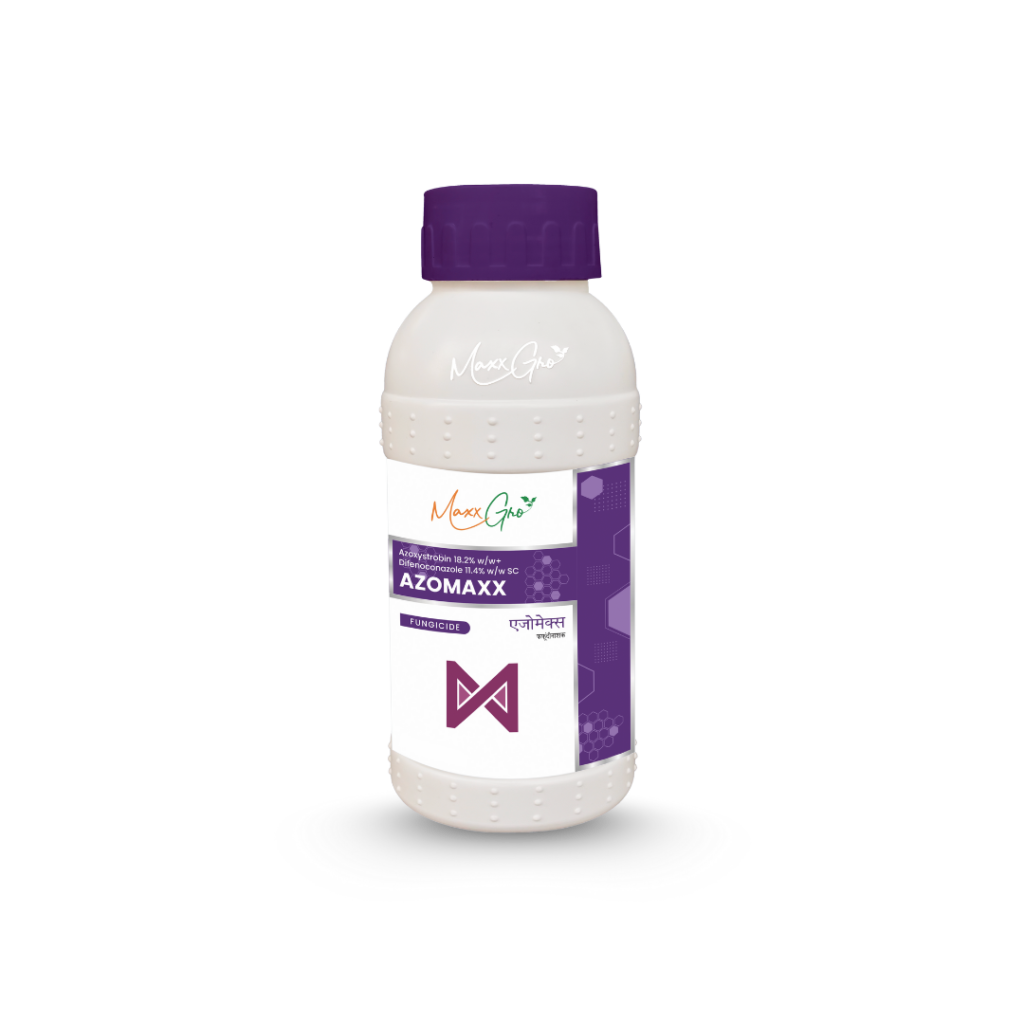
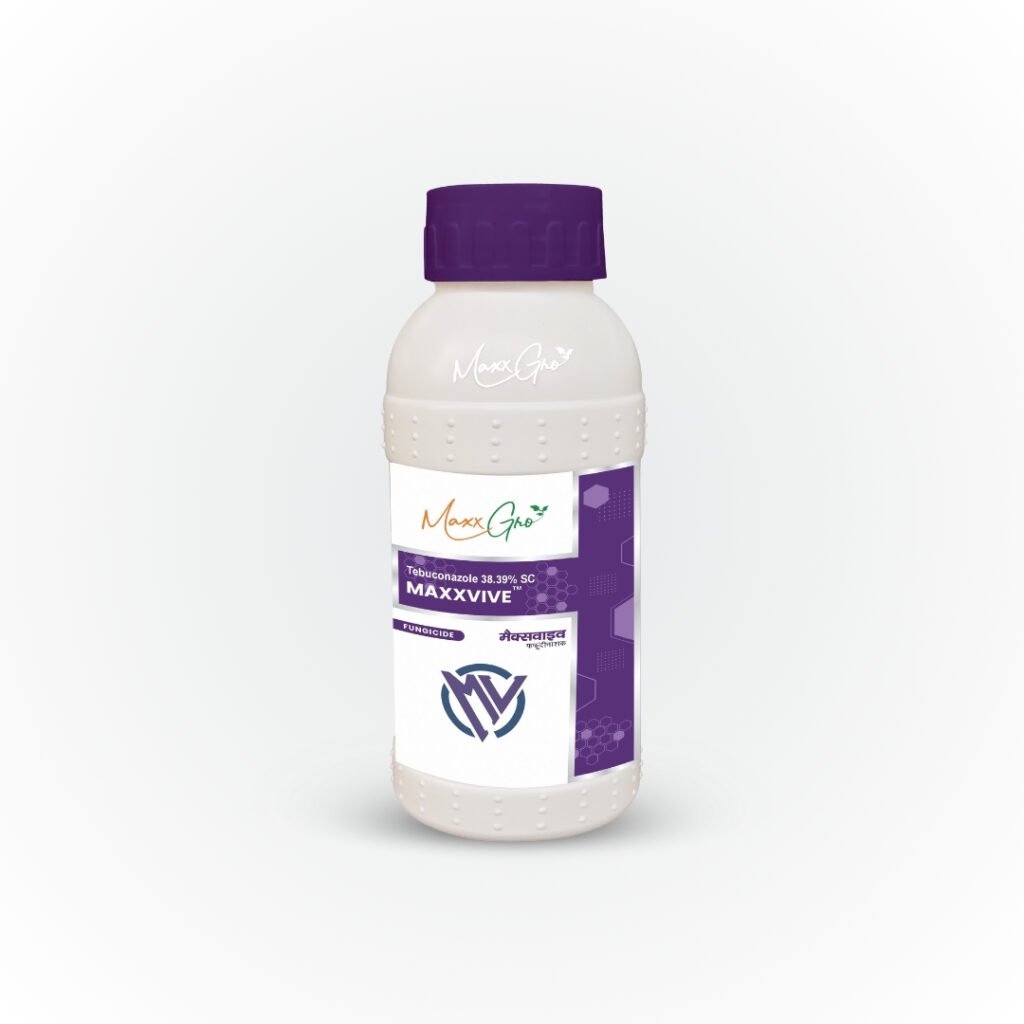
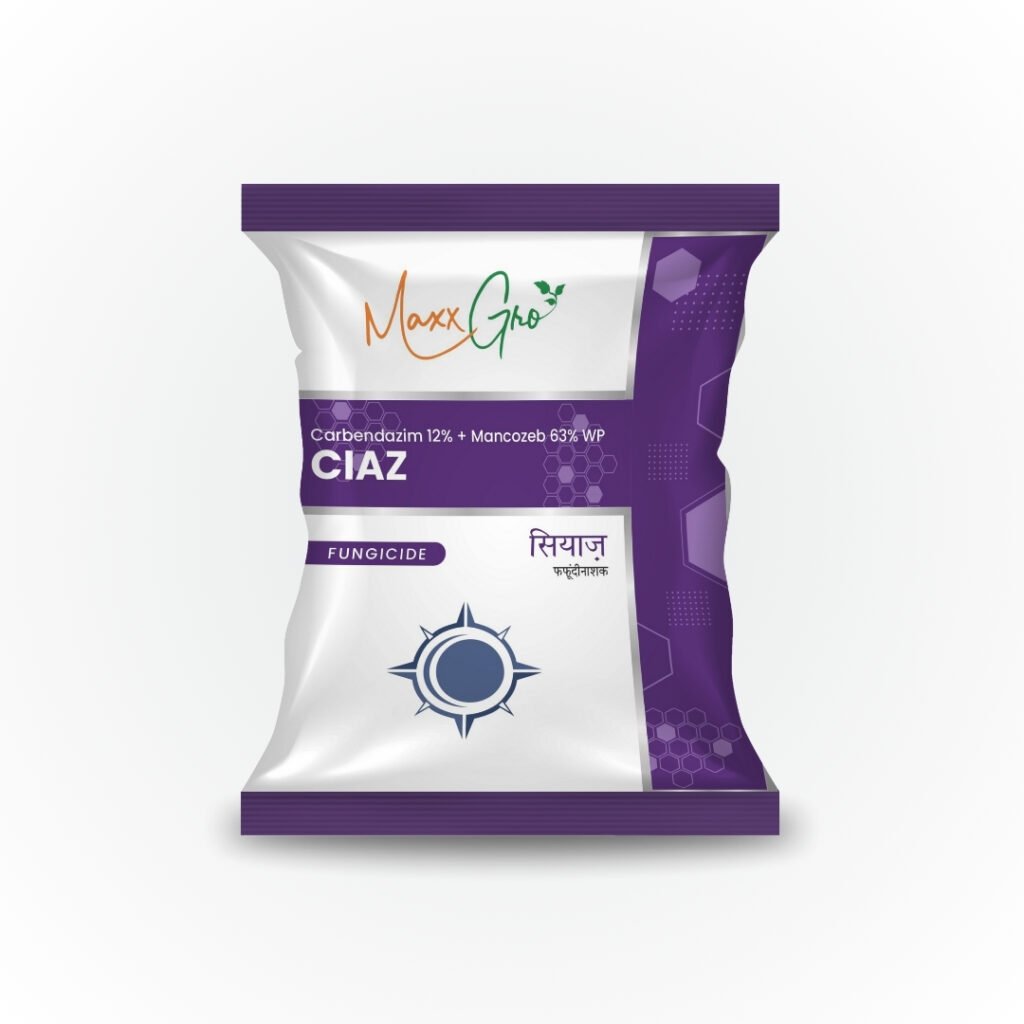
Drenza Pro Metiram 44% Dimethomorph 9% WG is Maxxgro’s advanced dual-action fungicide combining in a Water Dispersible Granule (WG) formulation. This scientifically engineered combination brings together the broad-spectrum, multi-site contact protection of Metiram with the targeted systemic and translaminar activity of Dimethomorph — forming a two-barrier defence system that stops Oomycete fungal diseases at every stage of their lifecycle. Drenza Pro delivers reliable preventive and curative control of Downy Mildew in Grapes, Late Blight in Potato and Tomato, and other critical fungal threats across Indian farm crops.
Product Overview
Brand Name: Drenza Pro
Technical Name: Metiram 44% + Dimethomorph 9% w/w WG
Formulation Type: Water Dispersible Granule (WG)
Mode of Action: Dual Action — Multi-site Contact (Metiram) + Systemic Translaminar (Dimethomorph)
Disease Spectrum: Oomycete Pathogens — Downy Mildew, Late Blight, Early Blight
Key Crops: Grapes, Potato, Tomato, Cucumber, Onion, Chilli, Cole Crops
Recommended Dose: 1 kg per acre (1000 g/acre)
Waiting Period: 10–66 days depending on crop (refer label)
Pack Sizes: 100 g | 250 g | 500 g | 1 kg
Key Features of Drenza Pro
- Dual Mode of Action — Metiram (FRAC M3 contact) + Dimethomorph (FRAC 40 systemic) in one premix WG — no separate tank mixing required
- Preventive + Curative Control — contact barrier stops infection before it starts; systemic Dimethomorph eradicates early-stage fungal colonisation
- Translaminar Activity — Dimethomorph penetrates through the leaf from one surface to the other, protecting the underside where Downy Mildew sporulates most actively
- Inhibits Sporulation — prevents fungal spore production, interrupting disease spread within the crop canopy
- Superior Resistance Management — two FRAC groups with different biochemical targets make it extremely difficult for fungi to develop resistance
- WG Formulation Advantage — Water Dispersible Granules disperse quickly and uniformly in water, produce no dust hazard during measuring, and leave minimal residue on crops
- Phytotonic Effect — users report a visible improvement in overall plant vigour and canopy health following Drenza Pro application
- Broad Spectrum Oomycete Control — effective against the entire Plasmopara, Phytophthora, and Peronospora disease complex
How Drenza Pro Works — Dual Mode of Action Explained
Metiram — Multi-Site Contact Protection (FRAC M3)
Metiram is an ethylenebisdithiocarbamate (EBDC) contact fungicide classified under FRAC Group M3. It acts on multiple biochemical sites within fungal cells simultaneously — disrupting enzyme activity, electron transport, and cellular respiration. Because it attacks at so many points at once, fungal populations cannot develop meaningful resistance against it. Metiram forms a protective chemical barrier on the crop surface, preventing incoming fungal spores from germinating and penetrating the plant. It must be applied before or at the very earliest signs of infection for maximum efficacy.
Dimethomorph — Systemic Translaminar Action (FRAC 40)
Dimethomorph belongs to the carboxylic acid amide (CAA) fungicide family, classified under FRAC Group 40. Unlike Metiram, Dimethomorph is systemic — it is absorbed through the leaf surface and moves translaminarally through leaf tissue. Inside the plant, it inhibits the biosynthesis of cell wall components (specifically phospholipid and fatty acid synthesis) in Oomycete pathogens. This disrupts cell membrane integrity across all life stages of the pathogen — including spore germination, mycelial growth, and sporulation. Dimethomorph is effective as both a preventive and early curative treatment.
Synergistic Combination — Why Together They Outperform Either Alone
Drenza Pro’s premix delivers a two-barrier protection system. Metiram guards the outer surface of the plant, preventing initial infection. Dimethomorph penetrates inside and eliminates any fungal growth that has already begun. Together, they cover the full infection cycle — entry, colonisation, and sporulation — leaving no fungal stage untreated. The two FRAC groups also complement each other for resistance management: even if a pathogen population were to develop tolerance to Dimethomorph (FRAC 40), Metiram’s multi-site mechanism (FRAC M3) continues to provide control.
Target Crops and Disease Control
Drenza Pro (Metiram 44% + Dimethomorph 9% WG) is registered and recommended for the following crops and diseases in:
Grapes: Downy Mildew (Plasmopara viticola), Early Blight
Potato: Late Blight (Phytophthora infestans), Early Blight
Tomato: Late Blight (Phytophthora infestans), Early Blight
Cucumber: Downy Mildew (Pseudoperonospora cubensis)
Onion: Downy Mildew (Peronospora destructor), Purple Blotch
Chilli: Downy Mildew, Phytophthora Fruit Rot
Cole Crops (Cabbage, Cauliflower): Downy Mildew (Peronospora parasitica)
Cucurbits (Bitter Gourd, Bottle Gourd): Downy Mildew
Leafy Vegetables: Downy Mildew
Field Crops (Soybean, Sunflower): Downy Mildew
Dosage, Dilution and Application Guide
Recommended Dose: 1 kg per acre (1000 g/acre) — adjust based on disease intensity
Water Volume: 150–200 litres of water per acre for foliar spray
Concentration in Water: 2 g per litre of water
Application Method: Foliar spray — knapsack, power sprayer or boom sprayer
Spray Timing: Apply at first sign of disease OR preventively at disease-prone crop stages
Spray Interval: 7–10 days between applications during high disease pressure periods
Maximum Applications: 3–4 sprays per season (follow crop-specific label guidance)
Waiting Period: 10 days (Grapes) to 66 days depending on crop — refer to product label
Pre-Mix Instructions: Add granules to small volume of water first, stir to dissolve, then add remaining water and agitate
Tank Mixing: Compatible with most insecticides and foliar nutrients; always conduct jar test before mixing
Why WG Formulation? Advantages of Water Dispersible Granules
- No dust during measuring and mixing — safer for the applicator compared to WP (wettable powder) formulations
- Complete and uniform dispersion in water — no sedimentation, no clogging of spray nozzles
- Precise and easy dosing — granules can be weighed accurately with no adherence to the container walls
- Better shelf life than EC or SC formulations — solid granule form is stable across a wide range of storage temperatures
- Low environmental load — no solvents or emulsifiers required, lower ecotoxicological risk per unit area treated
- Cleaner residue profile on crops — WG formulations generally result in lower visible residue on harvested produce
Drenza Pro in Integrated Disease Management (IDM)
Drenza Pro is particularly well-suited as a cornerstone fungicide in an Integrated Disease Management programme for Grape Downy Mildew, which is one of the most economically destructive diseases in Indian viticulture. A recommended IDM spray schedule position for Drenza Pro:
- Early Season (preventive): Begin application at the 2-4 leaf stage or when weather conditions favour Downy Mildew (humidity above 80%, temperature 15–25°C)
- Mid Season (preventive-curative): Continue at 7-10 day intervals through active canopy growth and cluster development
- Alternate with fungicides from different FRAC groups (e.g. copper-based, mandipropamid) to further reduce resistance risk
- Post-bloom application: Protect developing berries through the period of highest disease susceptibility
- Ensure thorough coverage of the underside of leaves, where sporulation of Plasmopara viticola occurs
Safety, Precautions and Handling
Precautions During Application
- Wear rubber gloves, protective clothing, safety goggles and a dust/mist respirator while handling and spraying
- Do not eat, drink, or smoke during preparation and application
- Avoid spray drift onto non-target crops, water bodies, and neighbouring areas
- Drenza Pro is toxic to aquatic organisms — do not apply near ponds, rivers, fish tanks or irrigation canals
- Re-entry into treated areas: after 12 hours or once spray has dried
- Do not reuse empty containers — rinse three times, crush, and dispose safely as per local regulations
Storage
- Store in original sealed container in a cool, dry, well-ventilated area away from direct sunlight
- Store away from food, feed, seeds, and potable water
- Keep out of reach of children and uninformed persons
- Shelf life: 2 years from date of manufacture when stored correctly
First Aid
Skin/Eye Contact: Wash with large quantities of clean water for at least 15 minutes. For eyes, seek medical attention if irritation persists. Inhalation: Move to fresh air immediately. If swallowed: Do not induce vomiting. Give water and seek immediate medical attention — show the product label to the physician. No specific antidote is known; treat symptomatically.
Drenza Pro (Metiram 44% + Dimethomorph 9% WG) is a powerful dual-action fungicide from MaxxGro that provides preventive and curative control against Downy Mildew, Late Blight, and other Oomycete fungal diseases. Its advanced combination of Metiram’s multi-site contact action and Dimethomorph’s systemic translaminar activity offers complete crop protection, inhibits disease spread, and supports effective resistance management. Suitable for grapes, potato, tomato, cucumber, onion, chilli, and other crops, Drenza Pro delivers reliable disease control, healthier crop growth, and improved yield potential.