
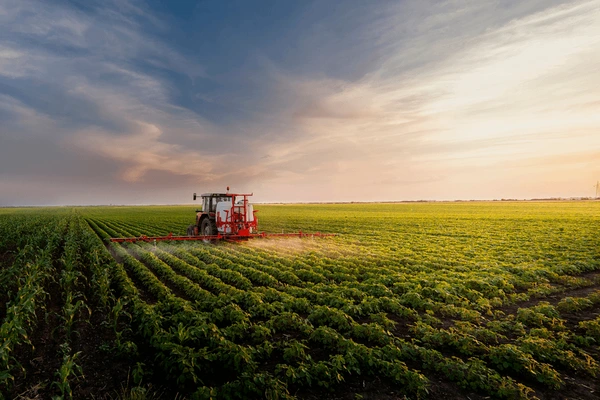
At MaxxGro Agrology Limited, we believe that progressive farming begins with intelligent crop management — and effective weed control is a vital part of that. In modern agriculture, herbicides play an essential role in helping farmers protect crops, optimize yield potential, and maintain field efficiency.
Weeds compete directly with crops for sunlight, nutrients, and water. Without proper management, they can severely limit productivity and quality. That’s why understanding herbicides — their functions, types, and responsible use — is fundamental to achieving sustainable and profitable farming.
What Are Herbicides?
Herbicides are specialized chemical agents designed to manage unwanted vegetation. They suppress or eliminate weeds while protecting the main crop, allowing it to thrive in optimal growing conditions.
In today’s precision-driven farming systems, herbicides help reduce manual labor, improve efficiency, and support cleaner, healthier fields. They form the backbone of modern integrated weed management strategies, ensuring both productivity and environmental balance.
Why Herbicides Matter in Modern Agriculture
Efficient Weed Management:
Herbicides provide quick and effective control across large fields, minimizing the time and labor needed for manual weeding.
Improved Crop Yields:
By reducing competition for nutrients and moisture, herbicides enable crops to grow stronger and deliver higher yields.
Economic Advantage:
Compared to mechanical weeding, herbicides offer a cost-effective and scalable approach to maintaining weed-free fields.
Conservation-Friendly Farming:
In minimal-tillage and conservation systems, herbicides reduce the need for soil disturbance, supporting better soil structure and reduced erosion.
Enhanced Crop Quality:
Cleaner fields translate into uniform crop stands and better-quality produce, reinforcing both market value and efficiency.
Types of Herbicides
Herbicides are categorized based on their selectivity, timing, and action mode. Knowing the right type ensures optimal performance and safety.
Selective Herbicides
Target specific weeds while leaving desired crops unaffected. Ideal for crops like cereals or legumes.
Non-Selective Herbicides
Eliminate all vegetation they contact, making them suitable for pre-planting field preparation or non-crop areas.
Pre-Emergence Herbicides
Applied before weed germination, these prevent early weed establishment in crops such as maize or soybean.
Post-Emergence Herbicides
Used after weeds have emerged, targeting actively growing plants for fast and visible results.
Contact vs. Systemic Herbicides
Contact Herbicides: Destroy only the exposed parts of weeds.
Systemic Herbicides: Move throughout the plant, providing complete and lasting control.
How Herbicides Work – The Science Behind Weed Control
Herbicides work by interrupting essential biological processes in weeds — such as photosynthesis, enzyme activity, or protein synthesis. When used correctly, they target specific plant systems without affecting the crop.
The effectiveness of herbicide application depends on several factors: weed type, growth stage, climatic conditions, and proper dosage. Following these parameters ensures maximum control with minimal environmental impact.
Best Practices for Safe and Effective Herbicide Use
At MaxxGro Agrology, we emphasize responsible herbicide management. Safe and precise application safeguards both the farmer and the ecosystem.
Here are key practices to follow:
Read and Follow Labels:
Always adhere to recommended dosages and mixing instructions.
Wear Protective Equipment:
Use gloves, masks, and protective clothing when handling or spraying herbicides.
Apply at the Right Time:
Target weeds during active growth for maximum absorption and effectiveness.
Prevent Drift:
Avoid spraying on windy days to protect nearby crops and water bodies.
Rotate Herbicides:
Alternate between different action modes to prevent weed resistance.
Practice Environmental Care:
Store herbicides safely and dispose of containers as per local regulations.
Herbicides and Sustainable Agriculture
Sustainability is at the heart of modern agriculture — and herbicides are evolving to support that mission. New-generation formulations are becoming safer, more targeted, and environmentally compatible.
Farmers increasingly combine herbicide use with techniques like crop rotation, mulching, and cover cropping to achieve integrated weed management. This balanced approach not only ensures effective control but also preserves soil health and biodiversity.
Choosing the Right Herbicide
Selecting an appropriate herbicide depends on various factors:
Weed spectrum (broadleaf or grassy)
Crop type and growth phase
Soil composition and moisture
Application method and equipment
Partnering with a trusted agronomy brand like MaxxGro Agrology Limited ensures access to expert guidance, precision solutions, and support for long-term productivity and sustainability.
The Future of Herbicides
The future of weed management lies in innovation. Advancements in biotechnology, precision agriculture, and AI-driven spraying systems are redefining how farmers approach crop protection.
At MaxxGro Agrology Limited, we advocate for smarter, data-driven herbicide use — promoting efficiency, safety, and environmental responsibility. The next generation of herbicides will empower farmers to achieve higher yields with fewer inputs, leading to a more sustainable agricultural future.
Conclusion
Herbicides are not merely chemical solutions — they are essential instruments for sustainable crop protection and yield optimization. When applied responsibly, they help farmers maintain cleaner fields, reduce resource competition, and cultivate healthier crops.
With the right approach and reliable support from industry leaders like MaxxGro Agrology Limited, farmers can achieve smarter weed control, stronger productivity, and sustainable agricultural growth.