
Complete Crop Protection Solutions in India
Crop Solutions
Smart Solutions for Thriving Crops
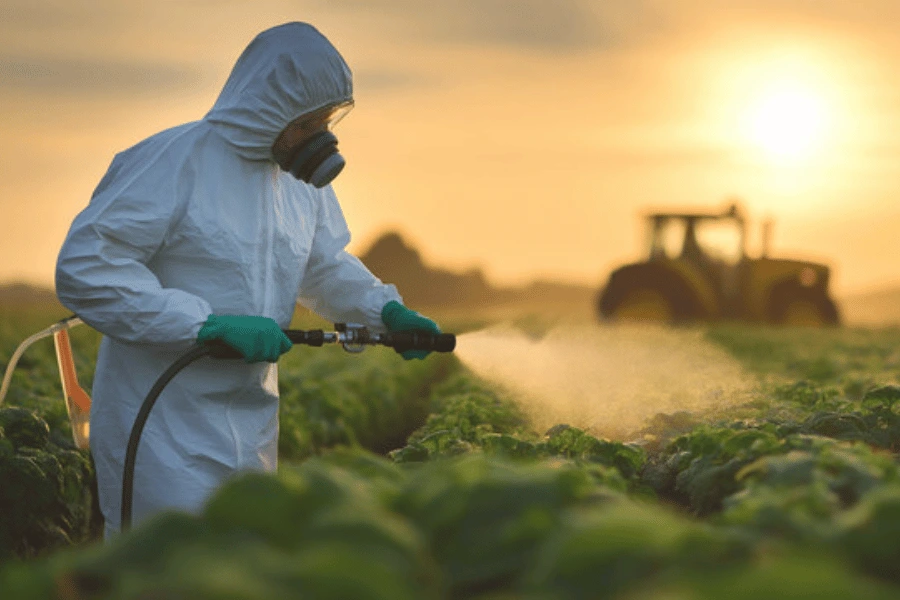
India’s crop protection chemicals market is valued at $2.59 billion in 2025 and every rupee of crop loss that farmers prevent starts with the right agrochemical solution. MaxxGro Agrology Limited offers a comprehensive portfolio of 250+ CIB-registered crop protection products across four essential categories: herbicides, fungicides, insecticides, and plant growth regulators (PGRs). Every product is scientifically formulated, government-approved, and designed for India’s diverse crops and agro-climatic zones – from paddy in Punjab to cotton in Telangana, and wheat in Haryana to vegetables in Maharashtra.
Crop Solutions
India’s crop protection chemicals market is valued at $2.59 billion in 2025 and every rupee of crop loss that farmers prevent starts with the right agrochemical solution. MaxxGro Agrology Limited offers a comprehensive portfolio of 250+ CIB-registered crop protection products across four essential categories: herbicides, fungicides, insecticides, and plant growth regulators (PGRs). Every product is scientifically formulated, government-approved, and designed for India’s diverse crops and agro-climatic zones – from paddy in Punjab to cotton in Telangana, and wheat in Haryana to vegetables in Maharashtra.
Crop Solutions
Advantages of Crop Protection
India loses an estimated 25–30% of total crop production to pests, weeds, and plant diseases every year. Effective crop protection is not just an input cost – it is a yield insurance strategy. MaxxGro’s agrochemical solutions address every threat, at every stage of the crop cycle:
Long-term cost savings
Promote solutions for cost-effective farming practices.
Efficient pest management
Protects crops by effectively managing pest infestations.
Comprehensive disease prevention
Shields crops from harmful diseases for sustained growth.
Enhanced crop performance
Boosts overall crop health and quality for higher productivity.
Effective weed control
Keeps fields clear of weeds to ensure maximum yield.
Herbicides
Precise Weed Control for Crops.
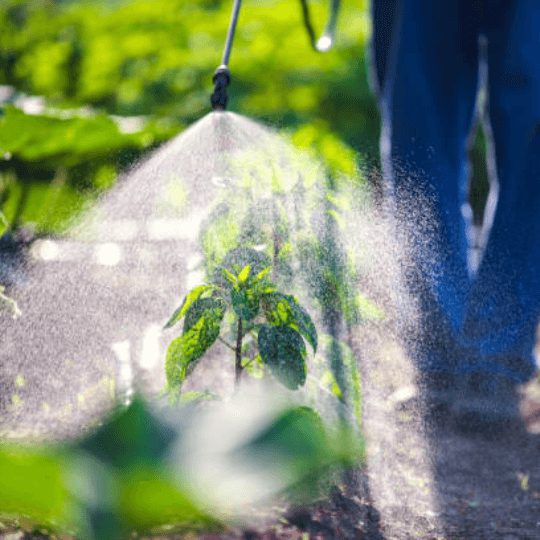
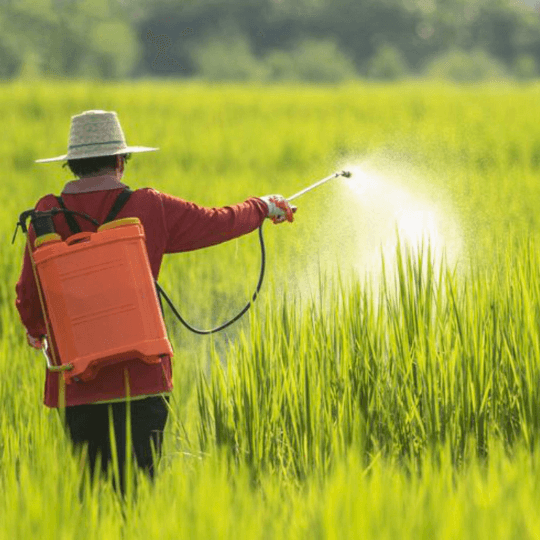
Weeds are one of the most underestimated yield thieves in Indian agriculture — responsible for up to 20% crop yield loss when left unmanaged. MaxxGro’s herbicide range includes selective and non-selective weedicide formulations designed to eliminate target weed species at the right growth stage, without harming your standing crop.
- Broad-spectrum control for diverse weed species.
- Safe for crops with minimal residual effects on the soil.
- Help reduce competition for nutrients, water, and sunlight.
Fungicides
Defending Crops Against Fungal Disease.
Fungal diseases cause some of the most devastating crop losses in India — from rice blast and sheath blight in paddy to powdery mildew in vegetables and rust in wheat. MaxxGro’s fungicide portfolio provides both preventive protection before infection and curative action after symptoms appear, giving farmers a complete disease management strategy.
- Effective against a wide range of fungal infections.
- Preventive and curative actions for comprehensive crop protection.
- Promote long-term crop health and quality.
Insecticides
Robust Pest Control for Every Crop.
Insect pests cost Indian agriculture billions of rupees annually. Aphids, whiteflies, stem borers, thrips, mites, leaf folders, and armyworms can devastate a season’s yield in days if left unchecked. MaxxGro’s insecticide range delivers fast-acting, long-residual pest control across all major crops — with formulations chosen for efficacy, safety, and environmental compatibility.
- Provide broad-spectrum pest control with long-lasting effects.
- Minimize damage while maintaining ecological balance.
- Ensure safe application with high efficiency and low residue.

Plant Growth Regulators (PGRs)
Unlocking Your Crop's Full Potential.
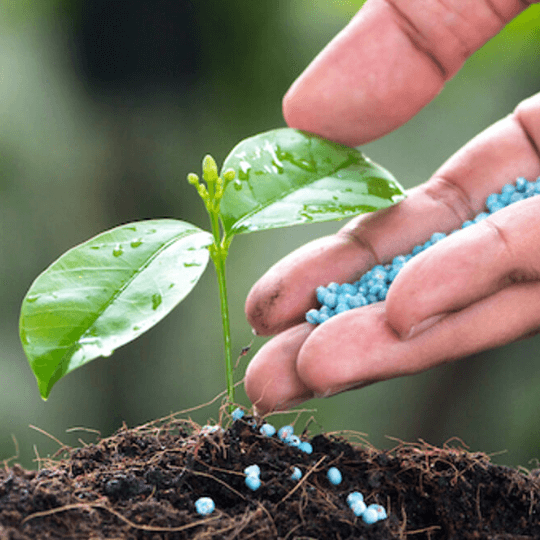
Crop protection is only part of the yield equation. Plant growth regulators (PGRs) allow farmers to actively manage how their crops grow, flower, and fruit — especially under stress conditions like drought, heat, or nutrient limitations. MaxxGro’s PGR range helps crops perform at their genetic best.
- Enhance root and shoot growth for improved nutrient uptake.
- Optimize flowering and fruiting cycles for maximum yield.
- Reduce crop stress during adverse climatic conditions.
FAQs
MaxxGro offers four categories of CIB-registered crop protection products: herbicides (weed control), fungicides (disease control), insecticides (pest control), and plant growth regulators (PGRs). Our portfolio of 250+ products covers paddy, wheat, cotton, vegetables, pulses, fruits, and plantation crops across India.
Yes. All MaxxGro products are registered with the Central Insecticides Board and Review Committee (CIB&RC), which mandates rigorous safety testing for human health, soil impact, and environmental effects before registration. We also follow recommended pre-harvest intervals (PHIs) and label dosages to ensure safe residue levels.
Systemic agrochemicals (e.g., systemic fungicides, systemic insecticides): absorbed by the plant and distributed through its vascular system (xylem/phloem) to provide internal protection – effective even on plant parts not directly sprayed. Contact agrochemicals remain on the plant surface and act as a protective barrier or knock-down agent on direct contact with the pest or pathogen.
Pre-emergence herbicides are applied before weeds germinate – they form a chemical barrier in the soil that prevents seedling establishment. Examples: Pendimethalin, Atrazine. Post-emergence herbicides are applied after weeds have emerged and are actively growing. They can be selective (targeting specific weed species) or non-selective (broad-kill). Examples: Glyphosate, 2,4-D.
Under Indian pesticide regulations, agrochemicals are classified into four toxicity bands: Red label (highly toxic / Danger), Yellow label (moderately toxic / Warning), Blue label (slightly toxic / Caution), and Green label (least toxic / Caution). MaxxGro ensures all product labels comply with CIB classification requirements.
The waiting period (or pre-harvest interval) is the minimum number of days that must pass between the last pesticide application and crop harvest, to ensure residues degrade to safe levels. For MaxxGro products, waiting periods are clearly stated on every label. For most insecticides on vegetables, PHI ranges from 3 to 15 days; systemic pesticides may require longer intervals.
A translaminar effect means the agrochemical penetrates the leaf surface and redistributes to the opposite (undersurface) side of the leaf without systemic movement through the whole plant. This is particularly valuable for controlling sucking pests and fungal diseases that attack leaf undersides, even when spray coverage is not perfect.
Pre-irrigation before herbicide application ensures weeds are actively growing and at the right emergence stage for maximum herbicide absorption. Moist soil also aids uniform distribution of pre-emergence herbicides. Crop stress caused by drought can reduce herbicide efficacy and increase the risk of phytotoxicity – so it is best to apply weedicides when the crop and field are in good condition.
MaxxGro has crop-specific solutions across all major Indian crops. For paddy: herbicides, fungicides, and insecticides targeting rice blast, brown plant hopper, and weed grasses. For wheat: rust fungicides, aphid insecticides, and pre-emergence herbicides. For cotton: bollworm insecticides, sucking pest controls, and defoliant PGRs. Contact our agronomy team or visit the product pages for crop-specific recommendations.